
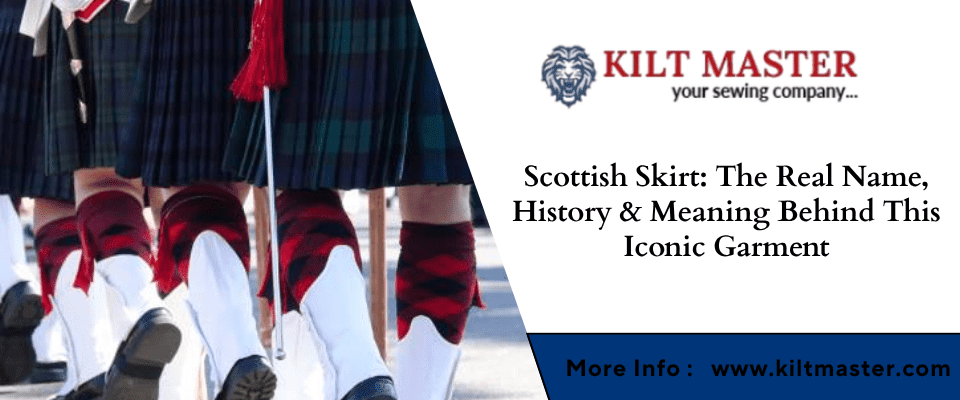
Have you ever seen someone wearing a skirt-like outfit with a plaid pattern and thought, “What do they call that in Scotland?” It may look like a skirt, but it has a name, a legacy, and a cultural meaning. In this blog, you’ll discover the real name of the Scottish skirt, why it’s special, who wears it, and how it compares to regular skirts.
What’s the Real Name of the Scottish Skirt?
The real name is a kilt. While it looks like a skirt, the kilt is a traditional Scottish garment. It is made of thick wool and features a tartan pattern with pleats at the back. Kilts are tied or buckled at the waist and are usually worn by men, especially on formal or cultural occasions.
Where Did the Kilt Come From?
The kilt has deep historical roots. It was first worn in the Highlands of Scotland in the 16th century. Over time, it became a strong symbol of Scottish identity. The word "kilt" comes from an old Norse word meaning "to tuck up."
What Is a Skirt?
A skirt is a lower-body garment worn around the waist and hangs down over the legs. Skirts are usually worn by women and come in many styles like mini, midi, and maxi skirts. They can be made from cotton, denim, silk, or other materials and are often chosen for fashion and comfort.
Kilt vs. Skirt: Key Differences
| Kilt | Skirt |
|---|---|
| Traditional garment of Scotland | Common clothing worn worldwide |
| Worn mostly by men | Worn mostly by women |
| Made of wool with tartan patterns | Made of various fabrics |
| Pleated at the back, flat at the front | Design varies — pleated or plain |
| Symbol of heritage and clan identity | Usually a fashion choice |
| Tied or buckled at the waist | Often zipped or buttoned |
Who Wears Kilts Today?
Kilts are still proudly worn in Scotland during weddings, festivals, parades, and cultural events. Many people wear kilts to show their Scottish pride or ancestry. Even outside of Scotland, kilts are worn as a fashion choice or during international celebrations of Scottish heritage.
Do Women Wear Kilts?
Yes! While kilts are traditionally worn by men, women can wear kilts too. Some styles are adapted for women and may be shorter or styled differently, but they still follow the core design and spirit of the kilt.
What About Skirt Accessories?
Whether you're wearing a skirt or a kilt, accessories can elevate your outfit. Belts, pins, brooches, and scarves are common add-ons. Kilts also have specific accessories like sporrans (a front pouch), kilt pins, and high socks called hose.
Fun Facts About Kilts
- Kilts have been around for over 400 years.
- Each tartan design can represent a different Scottish clan.
- Some military units still wear kilts as part of their dress uniform.
- Modern kilts are available in denim, leather, and other materials.
Frequently Asked Questions
1. What is the Scottish skirt really called?
It’s called a kilt. It’s a traditional part of Scottish dress and is different from a regular skirt.
2. Is a kilt just a fancy skirt?
No. While it looks similar, a kilt is part of Scottish culture and history, unlike a fashion skirt.
3. Who can wear a kilt?
Anyone can wear a kilt. While it’s traditional in Scotland, people around the world wear them too.
4. What are kilts made of?
Most kilts are made of wool and feature a pleated design with tartan patterns.
5. What’s the difference between a skirt and a kilt?
Skirts are fashion garments worn globally. Kilts are traditional garments tied to Scottish culture.
6. Do women wear kilts?
Yes, women also wear kilts — especially during formal or cultural occasions.
Final Thoughts
So next time someone says “Scottish skirt,” you’ll know they mean a kilt. It’s more than just a garment — it’s a symbol of identity, tradition, and pride. While skirts are fashionable and common worldwide, the kilt holds a special place in Scottish history.
For more information, visit:




