
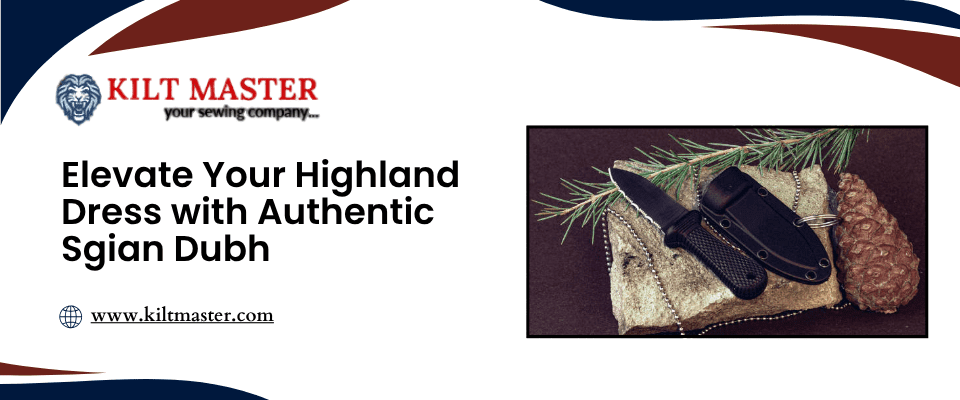
The sgian dubh is far more than a decorative horn-handled knife tucked into a kilt hose. It is a compact symbol of Scottish identity, ancestral skill, and practical utility that has evolved from a Highland tool into an emblem worn with pride. Whether you are hunting for an authentic sgian dubh, considering a bespoke custom sgian dubh, or simply want a classic sgian dubh to wear at weddings and ceilidhs, understanding its history, materials, and etiquette will help you make the right choice.
Introduction: More Than a Small Knife
The sgian dubh carries a weight that belies its size. Historically a multipurpose blade used for everyday tasks and occasional defense, today it completes Highland dress and anchors tradition with a visible nod to the past. In this guide we’ll explore how to identify a real sgian dubh, why handmade pieces are cherished, what makes a luxury sgian dubh different, and how to choose the best sgian dubh for your needs.
1. Origins and Evolution
The term sgian dubh translates from Gaelic as "black knife." Early references describe a small blade concealed in a stocking or hose—practical for tasks like cutting food or repairing gear. The concealment may also have had tactical or privacy-related reasons in households and camps. As Highland dress formalized over centuries, this small blade transitioned into ceremonial use while retaining its practical heritage.
In the 18th and 19th centuries the sgian dubh took on decorative aspects: carved handles, engraved tangs, and more carefully finished scabbards. These changes reflected both the rise of clan identity and the increasing visibility of Highland attire in formal and public settings.
Cultural Significance: Identity, Respect, and Ritual
Wearing a Scottish sgian dubh at formal events is a sign of respect for custom. It signals awareness of tradition and demonstrates care for detail in Highland attire. For many wearers the blade also connects them to family stories—grandfathers who carried similar knives, or clan-specific patterns carved on a handle. These personal ties make owning an original sgian dubh emotionally significant beyond mere fashion.
In ceremonies, the sgian dubh is usually tucked into the hose with the blade's spine facing outward and the handle exposed. This placement keeps the wearer ready for small tasks while honoring the knife's decorative role.
What Makes an Authentic Sgian Dubh?
Not every small kilt knife is an authentic sgian dubh. Authenticity depends on materials, construction, and respect for tradition. Look for these hallmarks:
- Materials: carbon or stainless steel blades, stag horn or bog oak handles, and hand-stitched leather scabbards are typical of genuine pieces.
- Construction: a full or partial tang fixed securely into the handle indicates proper blade-to-handle bonding and longevity.
- Design cues: Celtic knotwork, clan crests, and traditional shapes often appear on certified heritage items.
Purchasing from reputable makers or shops that provide provenance increases your chance of acquiring a true heirloom rather than a mass-produced imitation marketed as traditional.
Handmade vs Factory-Made: The Value of Human Craft
A handmade sgian dubh reflects individual skill at every stage—blade forging, handle carving, and scabbard finishing. Artisans often apply finishing techniques that machines cannot replicate: subtle filework, hand-polished metal, and attention to the grain of wood or antler. These details age gracefully and develop a patina that tells the knife's story.
Factory-made sgian dubhs can be perfectly serviceable and much cheaper, but they often lack the nuance and unique characteristics that make handmade pieces collectible. When you choose handmade, you are also supporting craft traditions and smaller workshops that preserve historical methods.
Materials and Their Meanings
Different materials offer different looks and performance. Below is a quick reference.
| Material | Typical Use | Notes |
|---|---|---|
| Stag Horn / Antler | Handles | Organic texture, traditional appearance, unique grain each piece. |
| Bog Oak / Dark Hardwood | Handles | Durable, rich color, evokes Scottish peatland history. |
| Carbon Steel | Blades | Holds edge well, requires more maintenance to prevent rust. |
| Damascus Steel | Blades | Layered pattern, strong and visually striking; often used for luxury items. |
| Stainless Steel | Blades | Lower maintenance, resists corrosion, common in modern blades. |
| Leather | Scabbards | Classic look; quality stitching and lining protect the blade. |
Combining materials—such as a carbon steel blade with a stag horn handle and leather scabbard—creates an appealing balance of tradition and performance that characterizes many classic sgian dubh designs.
Types of Sgian Dubh: Classic, Luxury, Custom
Understanding categories helps narrow your search:
Classic Sgian Dubh
These pieces adhere to traditional form and function. They are wearable daily or at formal events and typically cost less than bespoke models.
Luxury Sgian Dubh
A luxury sgian dubh may incorporate precious metals, semi-precious stones, or hand-engraved blades. Collectors prize these for their artistry; they are often less practical as everyday tools due to ornamentation.
Custom Sgian Dubh
A custom sgian dubh lets you choose blade shape, handle material, and personal engravings. Commissioning a custom piece results in a unique heirloom tied personally to your taste or family history.
Best Sgian Dubh
The label "best" depends on purpose: the best sgian dubh for daily wear prioritizes durability and low maintenance, while the best for ceremonies prioritizes visual appeal and traditional materials.
How to Choose the Right Sgian Dubh
Ask yourself a few questions before buying:
- Will I wear it often or only on special occasions?
- Do I prefer tradition (stag horn, carbon steel) or low-maintenance modern materials (stainless steel)?
- Is provenance important—is a maker’s certificate or clan connection required?
- Do I want it to be a practical tool, a display piece, or both?
For frequent wear, a well-made classic sgian dubh in stainless or treated carbon steel with a durable handle is sensible. For display or ceremonial use, select an authentic sgian dubh or handmade sgian dubh with detailed ornamentation.
Wearing and Etiquette
When wearing a sgian dubh:
- Tuck it into your kilt hose with the blade’s spine outward and the handle visible.
- Ensure the scabbard or sheath fits snugly to avoid rattling and accidental loss.
- At formal events, keep the blade covered and avoid any display of violence—this is a ceremonial accessory, not a weapon.
Respect for etiquette signals your understanding of tradition, and that understanding often earns quiet respect among those familiar with Highland dress.
Care and Maintenance
To preserve an sgian dubh—especially a real sgian dubh with organic handle materials—follow these rules:
- Wipe and dry the blade after exposure to moisture or fingerprints.
- Lightly oil carbon steel blades to prevent rust; stainless steel requires minimal care.
- Condition wooden or horn handles periodically with beeswax or a suitable oil.
- Store items in a cool, dry place, ideally in a lined case that prevents scratches.
Regular upkeep keeps both handmade sgian dubh and factory-made knives looking their best for years.
Collecting and Investing
Collectors often look for provenance and maker signatures. An original sgian dubh from a known bladesmith or a historically significant piece can appreciate in value. When collecting:
- Verify seller reputation and request documentation when possible.
- Look for unique maker’s marks, limited runs, or historic provenance.
- Consider conservation needs; antiques may need specialist care.
Well-chosen pieces—especially authentic sgian dubh or limited handmade sgian dubh runs—can become cherished family heirlooms.
Safety and Legal Considerations
Although small, the sgian dubh is still a knife and may be subject to local laws. Before purchasing or traveling with one, check legal regulations about carrying bladed items. When attending events, be mindful of venue policies regarding blades and follow all instructions provided by organizers.
Where to Buy an Sgian Dubh
Good sources include specialist Scottish outfitters, verified online artisans, and heritage fairs. If you commission a custom sgian dubh, allow time for crafting and finishing. For reliable shopping must be visit kiltmaster:
- Prefer vendors who publish material details and maker bios.
- Read reviews and request close-up images for online purchases.
- Ask about warranty, returns, and authentication certificates.
Frequently Asked Questions
Conclusion: Choosing Your Sgian Dubh
The sgian dubh remains an enduring element of Scottish attire because it unites practicality with symbolism. Whether you opt for a handmade sgian dubh steeped in tradition, a luxury sgian dubh crafted for display, or a custom sgian dubh that carries personal meaning, the knife you choose should reflect respect for history and the care of a well-made object.
Look for authentic materials, sound construction, and a maker you trust. Invest a little time in research, and your sgian dubh will become more than an accessory—it will be a small but powerful piece of Scottish heritage you can pass down through generations.
For more information, visit:




