
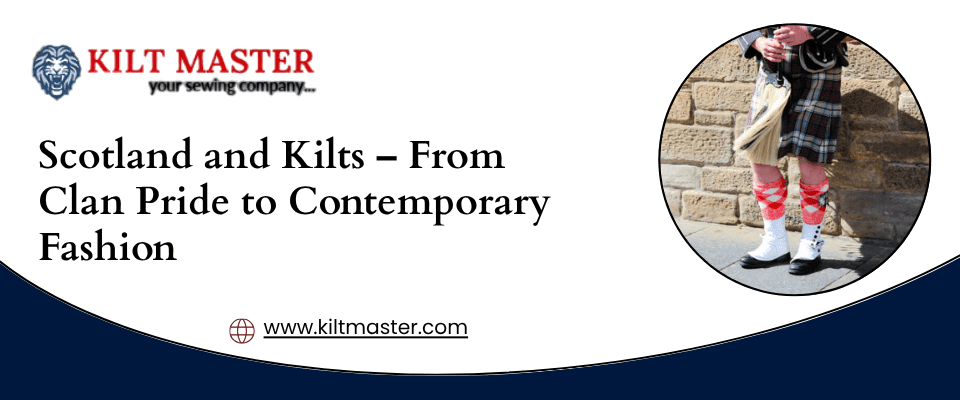
Few garments in the world carry as much history, pride, and recognition as the kilt. For centuries, Scotland and kilts have been intertwined, each representing the other in ways that transcend fashion. The kilt is not just a piece of clothing—it’s a cultural symbol, a historical relic, and, in modern times, a fashion statement admired worldwide. From the windswept Highlands to bustling city streets, the story of Scottish kilts is one of resilience, evolution, and identity.
The Deep Roots of Scottish Kilts
The earliest form of the kilt, known as the or great kilt, was a full-length garment of thick wool, worn by Highland men in the 16th century. This long piece of fabric was pleated and belted at the waist, with the upper section draped over the shoulder. It provided warmth, served as a blanket, and allowed freedom of movement during long treks or battle.
The shift from the great kilt to the tailored traditional kilts Scotland is known for today happened around the 18th century. These newer kilts were knee-length, permanently pleated, and far more practical for daily use. Each tartan design became associated with specific Scottish clans, linking the garment directly to heritage and identity.
Scotland’s Highland Identity
The Highland kilts Scotland is famous for have always been more than just attire—they are a declaration of belonging. In times of conflict, warriors wore their clan’s tartan to stand united. During periods of peace, the kilt became ceremonial attire, worn with pride at weddings, dances, and celebrations.
Even when the British government banned tartan and kilts after the Jacobite uprising in 1746, the garment survived in secret. It was restored to legal use decades later and emerged as a stronger symbol of Scottish identity than ever before.
Tartan: The Language of the Kilt
The patterns of Scottish tartan kilts tell stories without words. Every tartan is unique, woven in a combination of colors and stripe arrangements that signify a particular family, military regiment, or geographic region.
Some of the most famous tartans include:
- Royal Stewart Tartan – Associated with the Royal House of Stewart.
- Black Watch Tartan – Linked to one of Scotland’s oldest military regiments.
- MacLeod Tartan – Bright yellow and black, representing the Clan MacLeod.
Today, there are thousands of tartan variations, and many are designed for special occasions or organizations. The richness of tartan history ensures that authentic Scottish kilts are deeply personal to their wearers.
The Kilt’s Role in Scottish Ceremonies
From Scotland wedding kilts to military parades, the kilt remains a powerful emblem of formality and pride. At weddings, grooms often wear kilts in their family tartan, paired with a Prince Charlie jacket, sporran, and hose. Highland games and cultural festivals also see participants dressed in full Scotland kilt outfits, showcasing both heritage and athletic spirit.
For many, wearing a kilt is about connecting to ancestry. It’s a way to celebrate Scottish culture no matter where in the world you live.
Modern Kilts: A Blend of Heritage and Innovation
While tradition remains at the heart of the kilt, the 21st century has brought innovation. Modern kilts Scotland designers create include lighter fabrics for warmer climates, Velcro fastenings for convenience, and even utility kilts with pockets for everyday wear.
Fashion-forward men’s kilts Scotland has embraced include bold colors, leather elements, and hybrid designs mixing tartan with denim or cotton. Similarly, women’s kilts Scotland offers now include shorter lengths, contemporary cuts, and chic accessories, appealing to younger generations.
The Craftsmanship Behind Every Kilt
High-quality kilts are works of art. Kilts made in Scotland often follow traditional tailoring methods passed down for generations. The process involves:
- Selecting the Tartan – Often woven from pure wool on traditional looms.
- Taking Measurements – A precise fit is essential for comfort and style.
- Hand Stitching the Pleats – Each pleat is carefully aligned to match the tartan pattern.
- Adding Details – Waistbands, buckles, and lining are added for durability.
Bespoke custom kilts Scotland tailors offer can take several weeks to complete, but the result is a garment that lasts decades and often becomes a family heirloom. Many customers opt for handmade kilts Scotland produces to ensure authenticity and superior quality.
The Global Influence of Scottish Kilts
Once limited to the Highlands, kilts are now worn worldwide. From celebrities on red carpets to athletes in Highland games abroad, the kilt has crossed cultural boundaries. Its presence in global fashion shows and streetwear collections proves that Scotland and kilts have a timeless appeal.
Scottish communities abroad—especially in Canada, the USA, Australia, and New Zealand—have kept the tradition alive by organizing Highland gatherings where kilts are proudly worn.
Scottish Heritage Kilts: More Than Just Clothing
For many families, Scottish heritage kilts are treasured heirlooms. Passed down through generations, these garments carry emotional weight and serve as a physical connection to ancestors. Wearing a kilt that belonged to a grandfather or great-grandfather is an act of remembrance and respect.
Heritage kilts are also a teaching tool, helping younger generations learn about their roots. They encourage discussions about Scottish history, clan traditions, and the meaning behind tartan patterns.
Why Scotland and Kilts Will Always Belong Together
Fashion trends come and go, but the bond between Scotland and kilts is eternal. The kilt represents resilience, artistry, and unity. Whether worn on a misty Highland morning or at a glamorous evening event, it carries centuries of tradition in every pleat.
The kilt’s continued relevance lies in its adaptability. It can be formal or casual, traditional or modern, purely ceremonial or part of daily wear. It tells stories of bravery, belonging, and beauty—making it much more than fabric and stitches.
Frequently Asked Questions
Final Thoughts
The connection between Scotland and kilts is not simply about fashion—it’s about identity. From the traditional kilts Scotland has cherished for centuries to the modern kilts Scotland now exports across the globe, this unique garment has stood the test of time. It is both a reminder of Scotland’s storied past and a beacon for its cultural future.
Whether you choose a custom kilt Scotland tailors craft, a handmade kilt Scotland weavers produce, or a Scottish heritage kilt handed down in your family, wearing it means carrying a piece of Scotland with you—wherever you go.
For more information, visit:




