
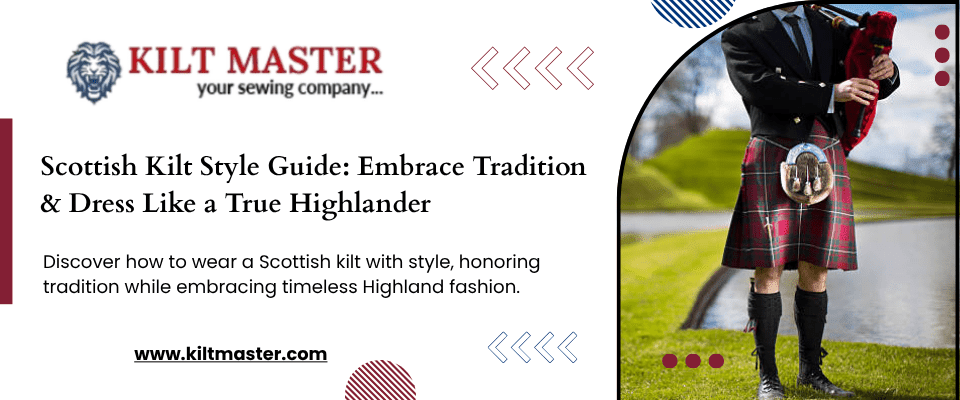
The Scottish kilt is not just a garment — it’s a cultural icon, a legacy of pride, and a modern fashion statement. Once worn exclusively in the Highlands of Scotland, the kilt has become a global phenomenon, loved for its bold appearance and rich history. Whether you're Scottish by blood or by heart, embracing the kilt means honoring centuries of tradition while stepping into contemporary style.
What Is a Scottish Kilt?
A kilt is a knee-length skirt-like garment made of woolen cloth in a tartan pattern. It is traditionally worn by Scottish men and is often accompanied by accessories such as the sporran, kilt pin, and ghillie brogues. Kilts are pleated at the back and flat across the front, designed for both functionality and flair.
The Deep History of Scottish Kilts
The earliest kilts appeared in the 16th century, worn by Highland clans as the "Great Kilt" or feileadh mòr. It was an all-purpose garment — a cloak, a blanket, and a robe. Over time, the design evolved into the "small kilt" or modern-day version that we know now. After the 1746 Act of Proscription banned tartan and Highland dress, the kilt reemerged in the 19th century as a proud emblem of Scottish identity and military pride.
Parts of a Full Kilt Outfit
- Kilt: Usually 8 yards of pleated tartan
- Sporran: A front pouch worn for practical use and style
- Kilt Belt and Buckle: Broad leather belt to secure the kilt
- Kilt Pin: A decorative safety pin worn on the front apron
- Ghillie Shirt: A lace-up collared shirt, often worn for casual or traditional occasions
- Prince Charlie Jacket or Argyll Jacket: Formal wear for ceremonies and special events
- Hose and Flashes: Knee-high socks with ribbons
- Brogues: Traditional leather shoes with long laces
- Sgian Dubh: A small knife traditionally worn in the sock
Types of Kilts
| Type | Description | Occasions |
|---|---|---|
| Traditional Wool Kilt | Made from heavy wool in clan tartans, pleated and lined | Weddings, ceremonies, cultural events |
| Modern Kilt | May use lighter or synthetic fabrics, modern tartans, more casual | Festivals, fashion, daily wear |
| Utility Kilt | Durable fabric with functional pockets and straps | Workwear, hiking, everyday style |
| Fashion Kilt | Often made from leather, denim, or hybrid materials | Runways, clubs, concerts, casual wear |
How to Choose the Right Tartan
Tartans are woven patterns of criss-crossed horizontal and vertical bands in multiple colors. Each tartan belongs to a clan, family, or organization. If you have Scottish ancestry, wearing your family’s tartan is a proud expression of heritage. If not, you can select from universal tartans or choose one based on color and design preference.
Traditional vs. Modern Kilts: A Comparison
| Aspect | Traditional Kilt | Modern Kilt |
|---|---|---|
| Fabric | Heavy wool | Cotton, synthetic blends, denim, leather |
| Design | Pleated, clan tartans | Bright colors, plain fabrics, experimental styles |
| Purpose | Formal, ceremonial | Casual, functional, fashion-forward |
| Accessories | Full Highland dress | Optional or simplified |
| Fit | Tailored and traditional | Relaxed or custom fit |
Scottish Kilts and Global Popularity
Scottish kilts have made appearances all over the world — from weddings in Canada to parades in the United States. They've been featured in movies, music videos, and fashion runways. Celebrities, musicians, and athletes wear kilts to make bold cultural and personal statements.
Where and When to Wear a Kilt
- Weddings and formal ceremonies
- Highland Games and Scottish festivals
- Burns Night and Hogmanay celebrations
- Fashion shows and personal style expression
- Daily wear with utility or hybrid kilts
Buying Tips: What to Look for in a Kilt
When buying a kilt, especially online, here are a few things to check:
- Fabric: Wool for tradition, cotton or blends for comfort
- Fit: Always take accurate waist and length measurements
- Tartan: Choose based on heritage or personal taste
- Stitching: Look for strong pleats and reinforced edges
- Accessories: Buy the full outfit for a complete look
Why Choose KiltMaster?
At KiltMaster, we offer:
- Custom sizing for a perfect fit
- Over 500 tartans and colors
- Quality stitching and craftsmanship
- Complete outfit sets including sporrans, belts, jackets
- Affordable prices and worldwide delivery
Frequently Asked Questions (FAQs)
1. Do you have to be Scottish to wear a kilt?
No! Anyone can wear a kilt, regardless of heritage. It’s a sign of appreciation, respect, and admiration for Scottish culture.
2. How do I measure myself for a kilt?
You need to measure your waist, hips, and kilt length (from the waist to mid-knee). Always measure while standing straight for accuracy.
3. Can I wear a kilt casually?
Yes! Modern and utility kilts are designed for everyday wear, made with comfortable fabrics and added features like pockets.
4. How do I clean and store a kilt?
Wool kilts should be dry-cleaned. Store them hanging on a wide-clip hanger to maintain pleats and shape.
5. What is worn under the kilt?
Traditionally, nothing is worn under the kilt, but this is a personal choice. For comfort and modesty, many wear shorts or briefs.
Conclusion: The Legacy Lives On
Whether you’re attending a Highland wedding, celebrating heritage, or making a bold fashion move, the Scottish kilt is a timeless expression of strength, identity, and style. From traditional wool tartans to modern utility kilts, there’s a style for everyone. Wear it with pride — like a true Highlander!
For more information, visit:




